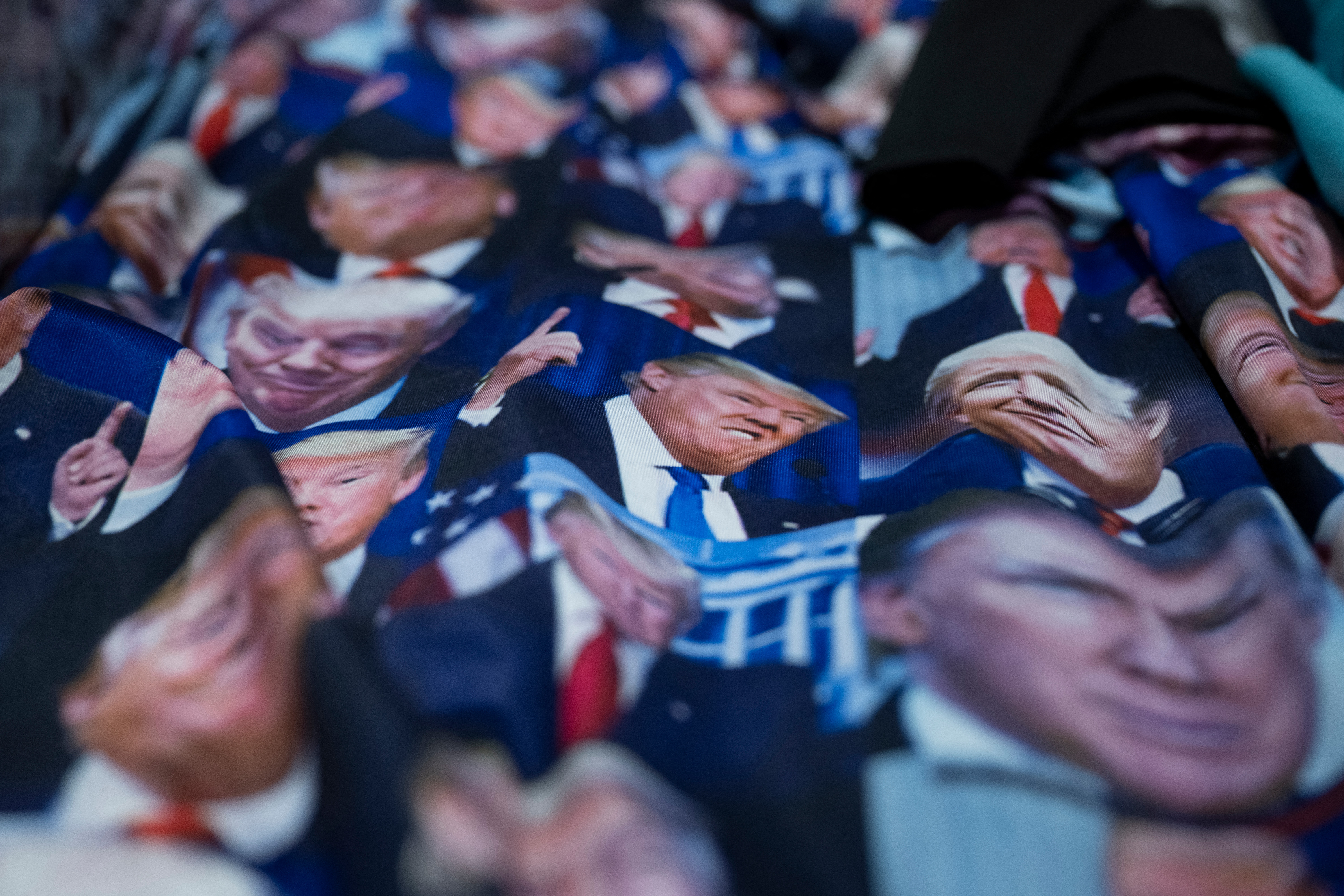
While the movement maintains a powerful public presence, internal disagreements over political strategy, policy priorities, and resource allocation are creating visible fissures among its leaders and grassroots supporters. These divisions suggest a political operation grappling with its identity beyond the singular figure of Trump himself.
Compounding these internal challenges are deliberate external pressures from foreign states. Nations like Iran have been identified as actively seeking to exploit and widen these existing rifts within the Republican electorate. Such adversarial interference aims to weaken the coalition's cohesion and effectiveness ahead of the electoral season, adding a layer of geopolitical complexity to its domestic troubles.
A Movement at a Crossroads
The fractures extend beyond foreign policy into fundamental questions of direction. A struggle is underway between factions prioritizing a purist, confrontational approach and those advocating for a more pragmatic electoral strategy to broaden appeal. This debate over tactical purity versus political expansion remains unresolved and increasingly public.
Furthermore, the intense focus on loyalty to Trump has, at times, papered over substantive disagreements on key issues. As policy discussions move from rallies to potential governance, differing visions on international engagement, economic policy, and legislative compromise are becoming harder to suppress. These are not mere squabbles but conflicts over the movement's core tenets.
The coming months will prove a critical test. The durability of the coalition will depend on its ability to manage these internal disputes while simultaneously countering external efforts to destabilize it. How it navigates this period of pressure will define its strength and sustainability as a political force.