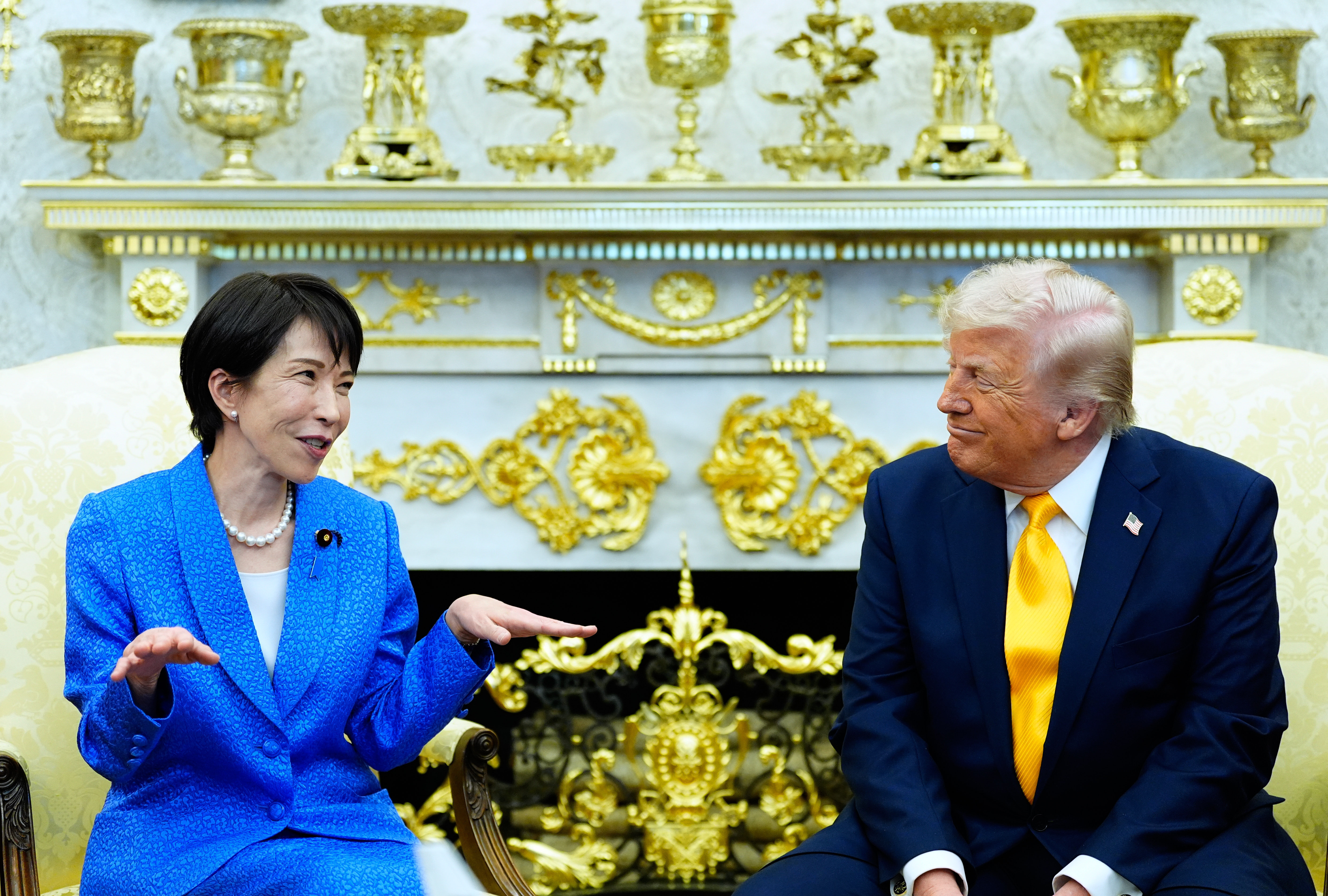
The praise comes despite the fact that Japan and other American allies have made no firm commitments to contribute ships or personnel to any proposed mission.
The administration has been seeking to form an international coalition to monitor and patrol the strait, following a series of attacks on commercial tankers that Washington blames on Iran. While several nations have expressed concern over regional tensions, they have been reluctant to formally join a U.S.-led operation, fearing it could escalate hostilities.
Japan's offer, described by analysts as intentionally vague, appears to be a diplomatic effort to show solidarity with its key security ally while avoiding direct military involvement. The Japanese government has historically maintained a working relationship with Iran and depends heavily on oil imports that transit the strategic waterway.
President Trump's enthusiastic reception of the non-binding gesture highlights the challenges his administration faces in translating its maximum pressure campaign against Iran into a multilateral security initiative. Other European allies have similarly declined to commit forces, preferring instead to pursue independent diplomatic avenues.
The disparity between the firm pledges the White House desires and the cautious, conditional support offered by partners underscores the complex geopolitics surrounding Iran. It remains unclear what specific actions, if any, will follow Japan's tentative expression of support.