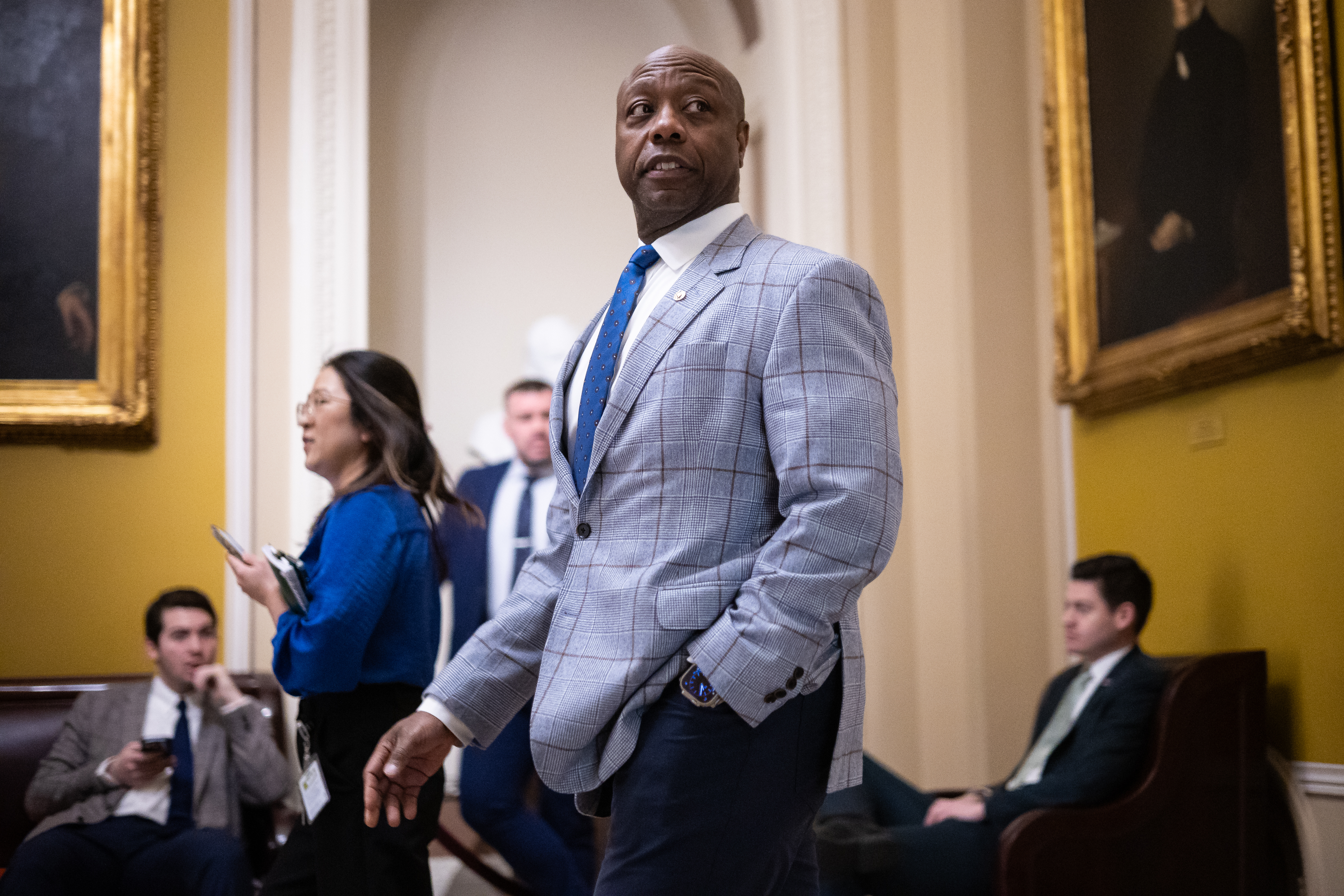
The Republican, who was first appointed to the chamber in 2013 and subsequently won elections in 2014 and 2016, had frequently cited a self-imposed limit of two elected terms.
His reversal ensures that a high-profile and influential Republican figure will remain in the Senate, where he has become a leading voice on economic and racial issues for his party. The announcement immediately stabilizes the electoral outlook for Republicans in South Carolina, a reliably red state where Scott will now be the overwhelming favorite to retain his seat.
Strategic Hold for GOP
Scott's decision provides a significant boost to Republican efforts to regain control of the Senate in the upcoming election cycle. By securing a safe incumbent in a key seat, the party can redirect financial resources and political capital toward more competitive races in swing states. The senator's formidable national profile and substantial campaign warchest are expected to deter any serious Democratic challengers.
The abandonment of his term-limit pledge reflects a strategic calculation about maintaining influence within the party and the chamber. Political observers note that Scott, as the sole Black Republican senator, holds a unique position and his continued presence is seen as an asset for the party's outreach and messaging.
No explicit reason for the change of heart was provided in the announcement, but it underscores the powerful incentive for incumbent lawmakers to retain office. Scott's campaign is likely to begin immediately, with the general election contest now considered a foregone conclusion by analysts.