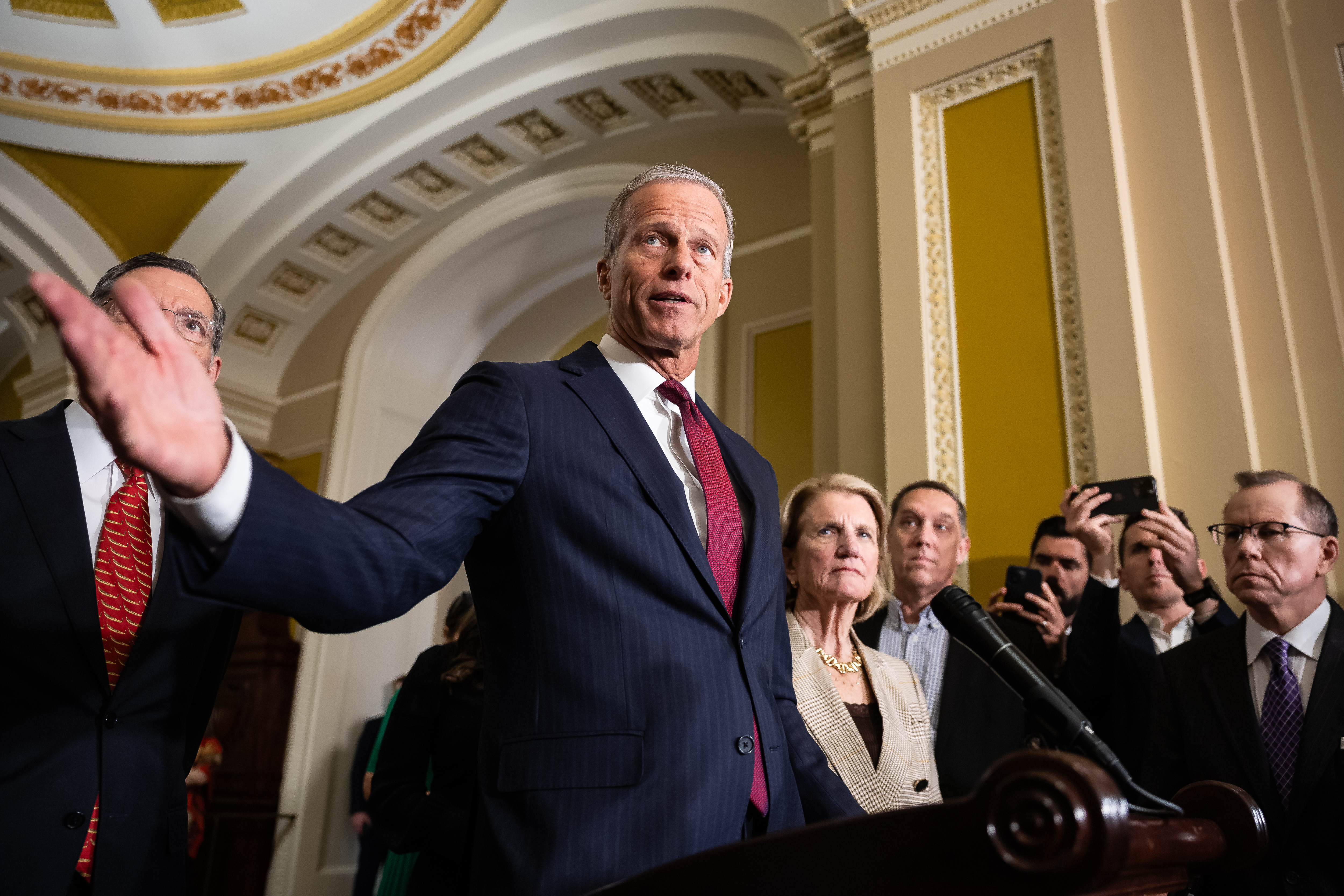
Thune's comments follow a publicly contentious exchange between Mullin and Senator Rand Paul, which had sparked questions about the confirmation's stability.
The dispute, described by observers as a testy confrontation, highlighted ongoing policy and personal friction within the Republican conference. Despite the visible tension, Thune, as the party's lead vote-counter, sought to project confidence, indicating the episode lacks the gravity to compel senators to vote against their colleague.
Mullin, a first-term senator from Oklahoma, was nominated by President Joe Biden for a position on the Homeland Security Advisory Council. The council provides recommendations directly to the Secretary of Homeland Security, making it a strategically significant post.
Thune's assurance suggests that while intra-party spats may draw public attention, they are not currently viewed as substantive enough to affect the formal confirmation process. The leadership's stance implies that Mullin retains sufficient support among Republican senators to advance, barring unforeseen developments.
The incident underscores the challenges of maintaining unity in a narrowly divided Senate, where a small number of defections can alter outcomes. For now, however, the path appears clear for Mullin's nomination to proceed to a vote.