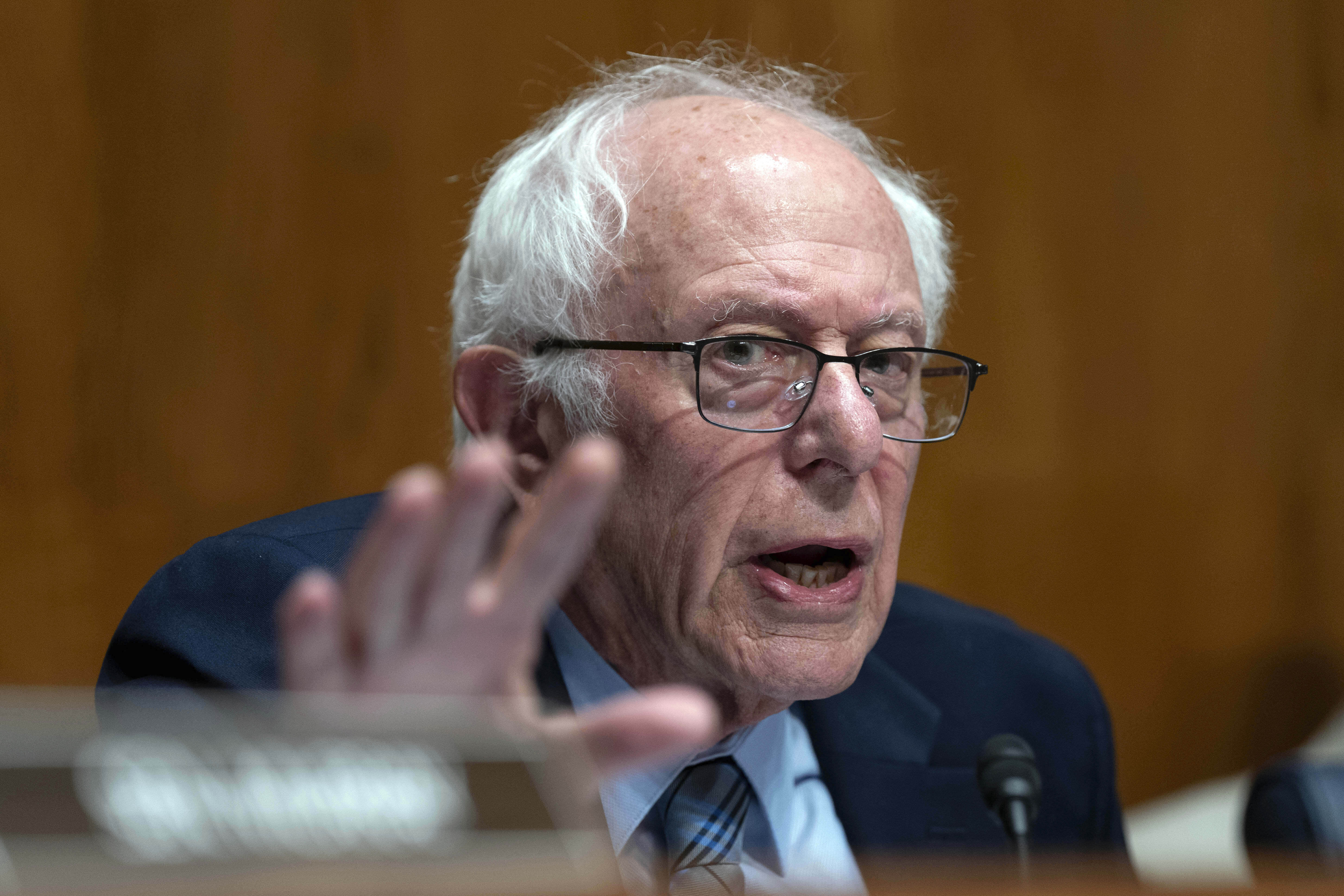
arms sales to Israel. The independent lawmaker will utilize a provision of the Foreign Assistance Act that allows Congress to disapprove of major weapons transfers.
The procedural maneuver, while unlikely to succeed in the Democratic-controlled Senate, will compel a public debate and recorded vote on American military aid. It targets specific sales authorized by the Biden administration that bypassed standard congressional review processes.
Sanders has framed the effort as a matter of legal and moral accountability. He argues that U.S.-provided weaponry is supporting military operations in Gaza that he characterizes as unlawful, a stance reflecting deepening divisions within the Democratic Party over unconditional support for Israel.
The White House has consistently defended its security commitments to Israel. Previous attempts to condition or limit aid have garnered limited support, but Sanders's action ensures senators must take a definitive position. The votes will highlight the growing faction of lawmakers demanding stricter oversight of how American arms are used by allied nations in conflict zones.
This political challenge arrives amid sustained international scrutiny of the Gaza conflict's civilian toll. The Senate votes, expected in the coming weeks, will serve as a barometer for shifting sentiments on Capitol Hill regarding the longstanding U.S. policy of substantial military assistance to Israel.