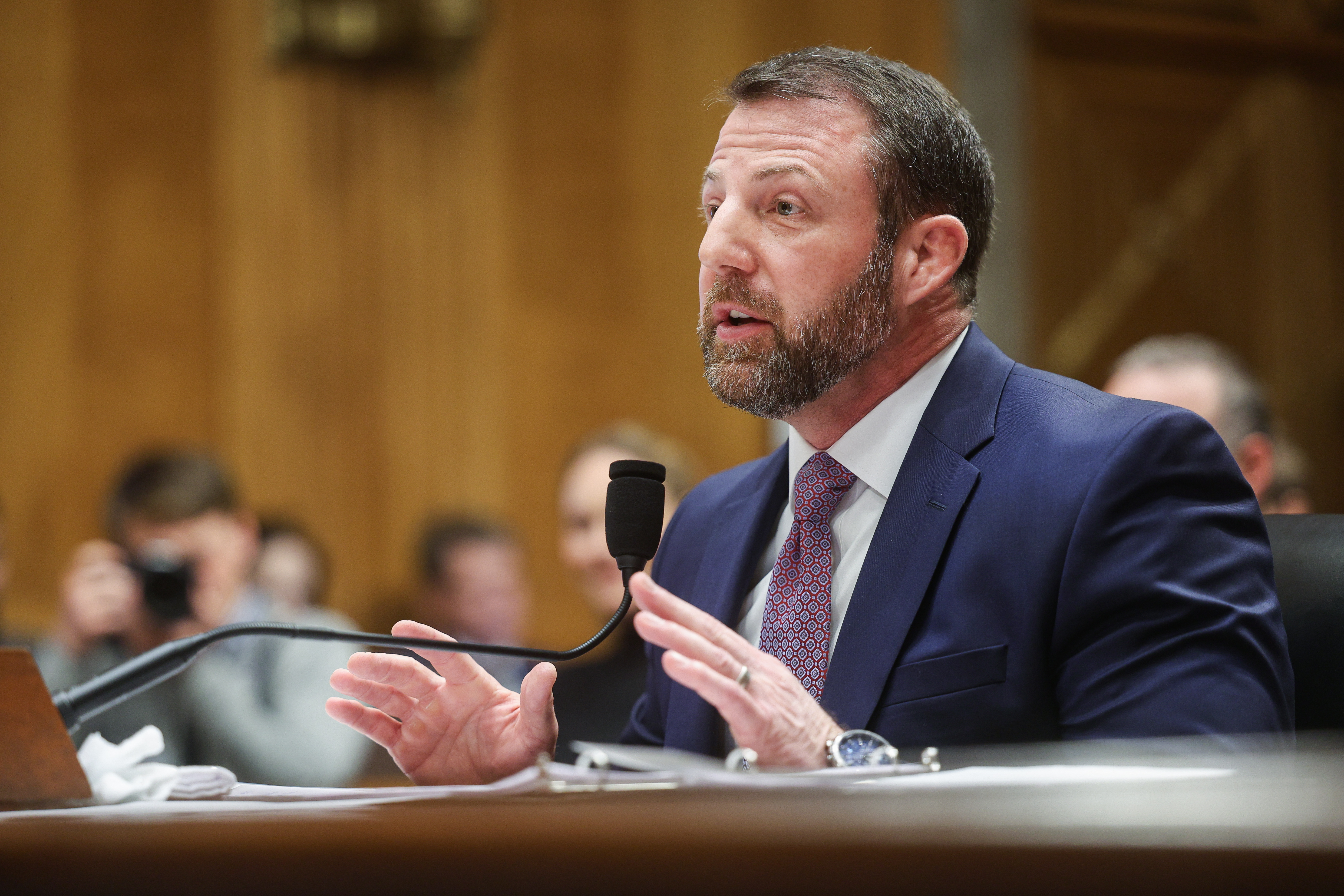
A hearing on Wednesday before the Senate Energy and Natural Resources Committee revealed deeper-than-expected reservations from both sides of the aisle, complicating the Oklahoma Republican's path to approval.
While the specific nature of the disagreements was not detailed in public statements, the session was described as dramatic and pointed. Observers noted that the line of questioning moved beyond routine scrutiny, suggesting substantive policy or personal concerns about Mullin's suitability for the role.
The resistance presents a tangible political challenge for the administration, which had counted on Mullin's background as a former House member and committee colleague to ease his confirmation. The emerging bipartisan skepticism indicates that his nomination cannot rely solely on party-line votes and will require a more concerted lobbying effort.
Committee staff and Mullin's allies are now tasked with addressing the specific issues raised by senators during the contentious hearing. The coming days will be critical in determining whether these obstacles can be overcome or if the nomination is in genuine peril.
This development underscores how even nominees with considerable Washington experience can face rocky confirmation processes when doubts emerge about their specific qualifications or alignment with committee priorities. The outcome will signal the administration's strength in securing confirmations for its policy team.