The anticipated supplemental package, reported to be in the range of 0 billion, is intended to support ongoing conflicts in Ukraine and the Middle East, as well as other global security priorities.
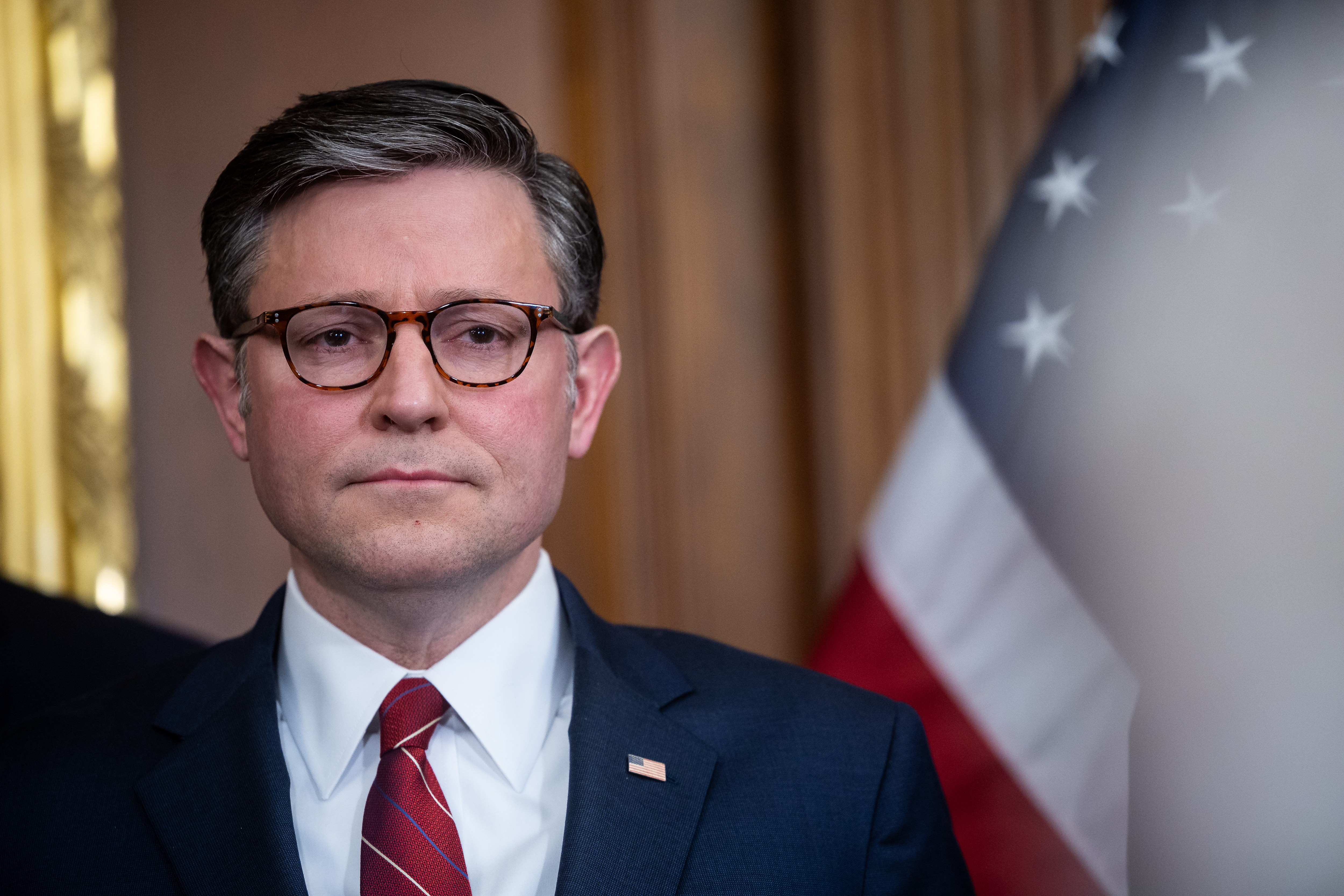
The Speaker's statement underscores the growing political tension surrounding continued massive expenditures for overseas wars. While Johnson emphasized the necessity of a well-funded military, his remarks stop short of explicitly endorsing the forthcoming White House request, leaving open questions about its final scope and the conditions Republicans may seek to attach.
Uncertain Path in the House
Further highlighting the potential for political struggle, House Majority Leader Steve Scalise declined to confirm whether such a substantial funding request could pass the Republican-controlled chamber. Scalise's non-committal response reflects the significant faction within the GOP that is increasingly skeptical of providing further aid to Ukraine without stricter border security measures and fiscal offsets.
The dynamic sets the stage for a complex legislative battle in the coming months. The administration is expected to argue that the funds are essential for upholding international commitments and deterring aggression, while skeptical lawmakers will demand a clearer strategy and greater accountability for previous expenditures.
Ultimately, the debate will test the Republican leadership's ability to navigate internal party divisions while addressing what defense officials describe as urgent security needs. The outcome will have immediate implications for U.S. foreign policy and military readiness.