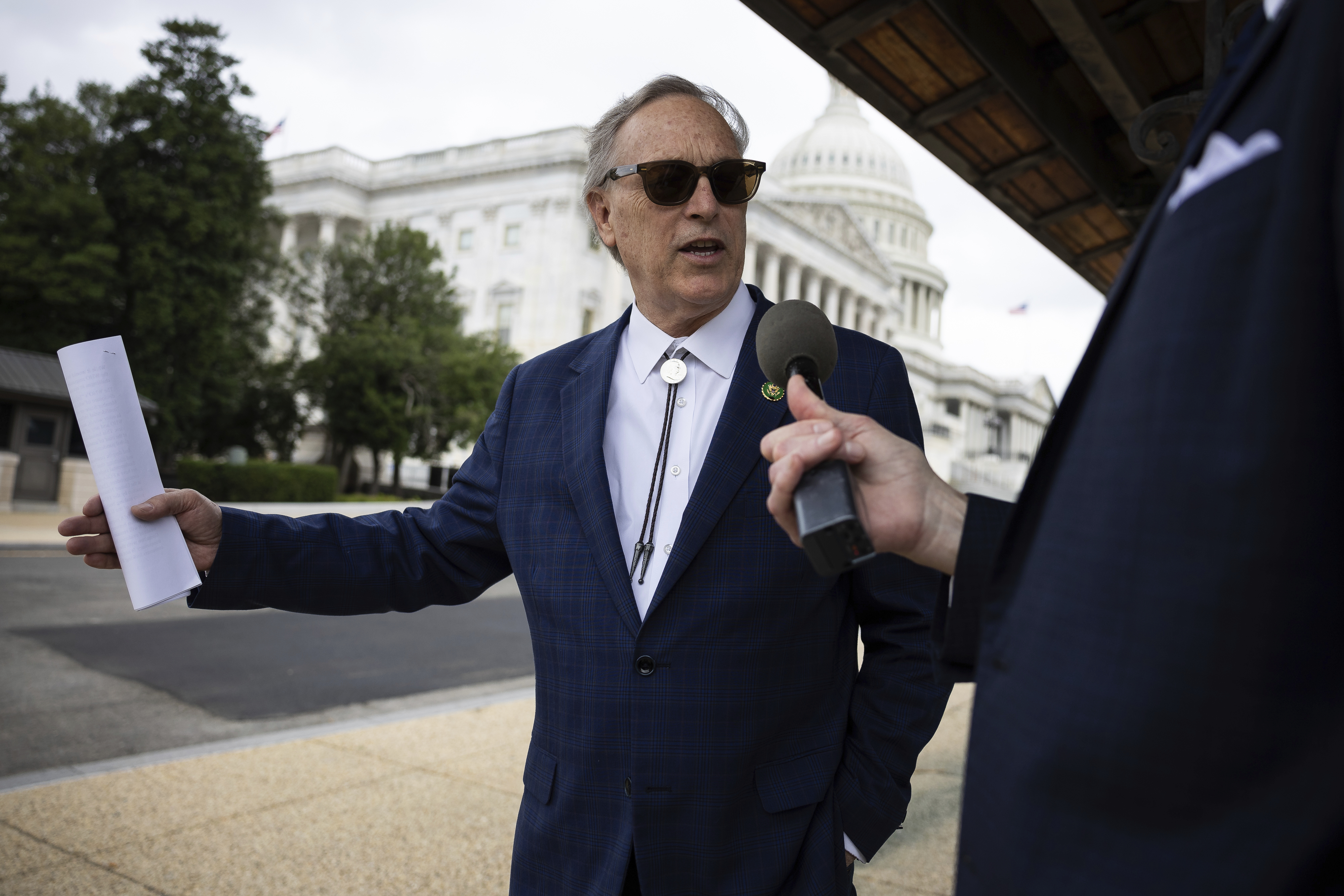
House of Representatives has rejected a proposal to advance a constitutional amendment mandating a balanced federal budget. The measure, which required a two-thirds majority to pass, fell well short in a vote that underscored deep partisan divisions over fiscal policy.
Republican leadership brought the resolution to the floor despite clear signals it would not succeed. Even the chair of the House Budget Committee, Representative Jodey Arrington, had publicly forecast the effort would fail, acknowledging its largely symbolic nature. The move was widely seen as a political maneuver designed to force lawmakers to go on the record regarding fiscal responsibility ahead of the November elections.
The proposed amendment would have constitutionally prohibited the government from spending more than it collects in revenue, with exceptions allowed only for a declaration of war or by a three-fifths congressional vote. Proponents argued it was a necessary step to impose discipline on the nation's growing debt.
Opponents, primarily Democrats, criticized the measure as a reckless and rigid constraint that would force devastating cuts to essential social programs, including Social Security and Medicare. They argued it would handcuff the government's ability to respond to economic crises and fund critical national priorities.
The defeat highlights the significant procedural hurdles facing any attempt to amend the Constitution. Such an amendment would require not only a two-thirds vote in both the House and Senate but also ratification by three-fourths of state legislatures, a bar that has not been cleared for decades.