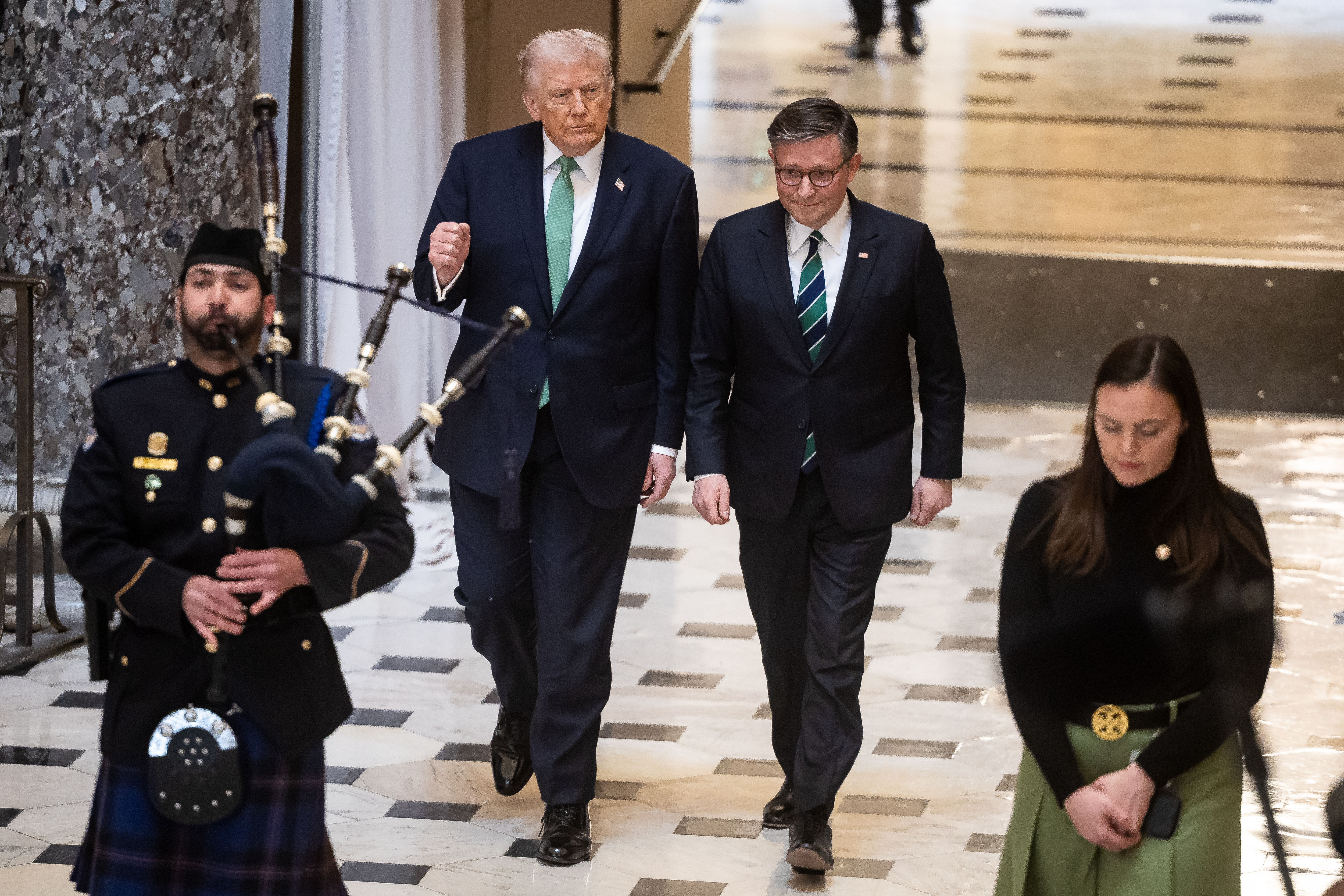
The lawmakers have issued a private ultimatum to House Speaker Mike Johnson, stating they will vote against extending Section 702 of the Foreign Intelligence Surveillance Act without a substantial overhaul.
The disputed provision permits the collection of communications of non-Americans located abroad, a capability intelligence officials call indispensable for national security. However, the program has long drawn bipartisan criticism because it incidentally sweeps in the communications of Americans when they interact with surveillance targets. This has fueled a years-long debate over privacy safeguards.
The hardliners are demanding that any renewal bill include a mandate for law enforcement and intelligence agencies to obtain a warrant before querying the Section 702 database for information on U.S. citizens. They argue this is a necessary check against government overreach. Their opposition creates a significant hurdle for Speaker Johnson, who must navigate between the demands of his right flank and the broader congressional consensus.
National security officials and many senior lawmakers in both parties oppose a warrant requirement, contending it would cripple the program's effectiveness. They argue that in fast-moving threat scenarios, such as tracking a terrorist plot or a foreign operative, the time needed to secure a court order could lead to catastrophic intelligence failures.
The impending vote, scheduled for next week, forces a direct confrontation between competing priorities of security and civil liberties. With the surveillance authority set to expire soon, the outcome will hinge on whether Speaker Johnson can broker a compromise or if the rebel faction has the votes to enforce its demands.