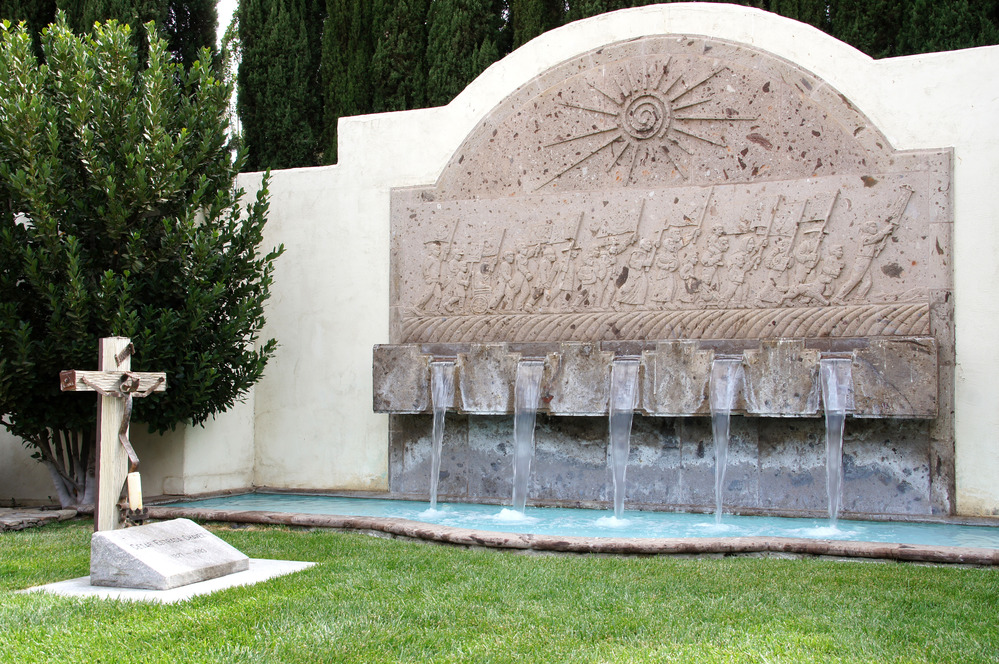
The lawmakers stated the changes aim to respect the victims connected to these historical claims, signaling a politically delicate effort to balance commemorative goals with contemporary accountability.
The proposed park, intended to honor Chávez's legacy in the farmworkers' movement, has been a legislative priority for the state's Democratic delegation. The decision to amend the bill follows increased public discourse about the allegations, which have been documented in biographies and movement histories for years but have gained a more central focus in recent evaluations of his record.
Legislative Revisions and Political Reckoning
The move represents a notable shift in how political figures approach complex legacies. Rather than abandoning the commemorative project, the sponsors are seeking a path forward that acknowledges the full scope of history. The specific language of the revisions has not been released, but the intent is to frame the park's educational mission within a more complete biographical context.
This legislative adjustment underscores a broader national conversation about how public memory and historical recognition grapple with the flawed aspects of revered figures. The outcome of this bill, once a seemingly straightforward tribute, is now a closely watched test of this evolving principle within the political arena.
The bill's progression through Congress will be monitored for its final wording and for the potential precedent it sets. It highlights the increasing pressure on institutions to reconcile celebratory projects with a more nuanced, and often uncomfortable, examination of the past.